Buying or stewarding a historic home in Hancock Park comes with real advantages, but it also asks for care. If you are planning to renovate or you are weighing a purchase, you have likely heard about the neighborhood’s HPOZ rules and the Mills Act. Both matter to your design scope, your timeline, and potentially your property taxes. This guide breaks down how each program works in Greater Wilshire and what it means for your plans. Let’s dive in.
Hancock Park’s HPOZ, in plain terms
HPOZ stands for Historic Preservation Overlay Zone. In Los Angeles, it is a local tool that preserves the character of historic districts by regulating exterior work visible from the street. The City’s Office of Historic Resources administers the program and publishes the rules and guidelines in a Preservation Plan.
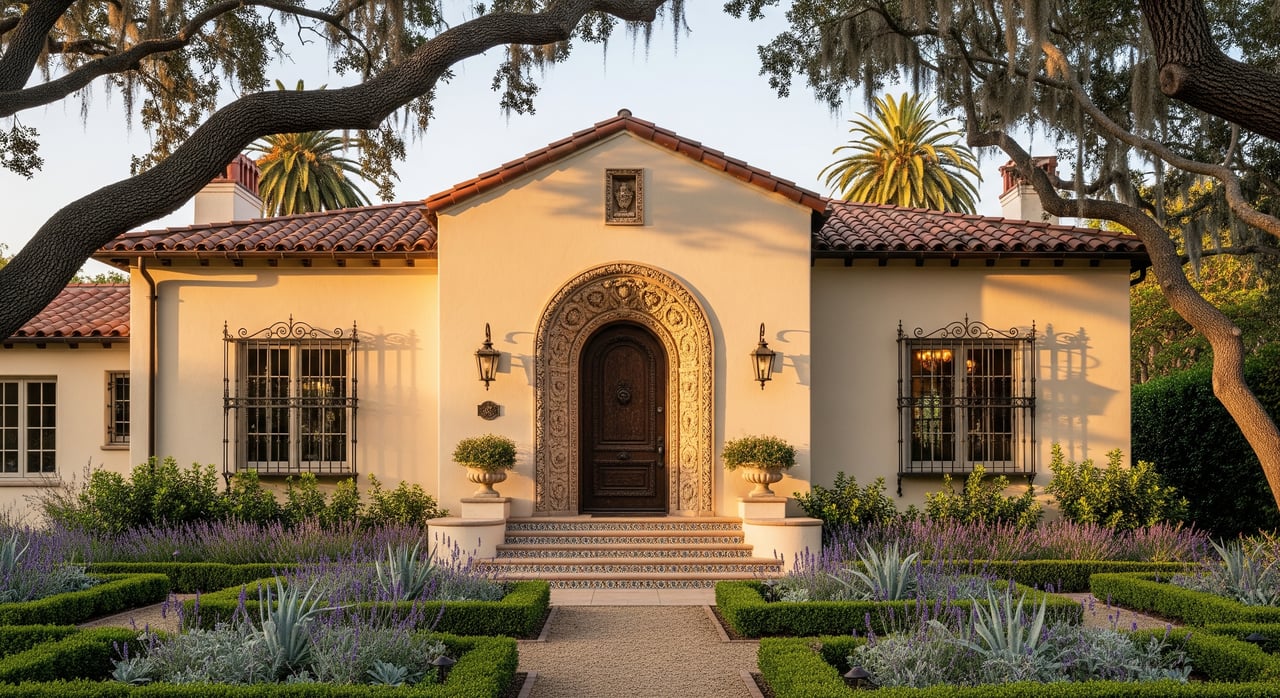
In Hancock Park, the HPOZ exists to protect the neighborhood’s historic streetscape. Think setbacks, massing, roof forms, porches, windows, and exterior materials that define early 20th century architecture. You can review the citywide HPOZ framework on the Office of Historic Resources website and the district’s specific standards in the Hancock Park HPOZ Preservation Plan.
- Explore the HPOZ program overview from the City of Los Angeles Office of Historic Resources: HPOZ program
- See the neighborhood’s design standards and map: Hancock Park HPOZ Preservation Plan
Contributing vs. non-contributing
Within the Hancock Park HPOZ, properties are classified as either contributing or non-contributing in the Preservation Plan inventory. Contributing properties retain historic integrity and help define the district’s character. Non-contributing properties were altered significantly or built later.
This status affects design review. Contributing homes typically receive closer scrutiny for changes to character-defining features. Before you plan work or rely on incentives, confirm a property’s status in the HPOZ inventory.
The standards guiding design
HPOZ decisions in Los Angeles are guided by local Preservation Plans and the widely used Secretary of the Interior’s Standards for Rehabilitation. These standards favor compatible design that respects existing scale, materials, rhythm, and details. They do not freeze a home in time, but they prioritize preservation of historic fabric and streetscape.
- Read the national reference standards: Secretary of the Interior’s Standards for Rehabilitation
How HPOZ review works
HPOZ review covers exterior work visible from the public right of way, along with certain landscape or site features. Interiors are generally not regulated by HPOZ. Approval occurs along two main paths:
- Administrative approval. Minor work and in-kind repairs that meet the Preservation Plan can be approved by City staff. Examples include routine maintenance and replacements with matching materials.
- HPOZ Board review. Additions, new construction, significant alterations, or proposals that depart from guidelines usually go to the volunteer HPOZ Board for a public hearing and recommendation.
If approved, the City issues a written decision such as a Certificate of Appropriateness. Separate building permits from the Los Angeles Department of Building and Safety are still required.
- Learn about permits and coordination: Los Angeles Department of Building and Safety
What triggers HPOZ review
You should expect review for:
- Demolition or removal of contributing structures or major portions
- Additions or any new massing visible from the street
- Changes to exterior materials, roof shape, porches, or window and door patterns
- New front yard fences, walls, or visible landscape features
- Relocation of a structure or changes to the primary facade
If you are not sure whether your scope needs review, consult the HPOZ Administrator before you design. Early conversations save time.
Timelines and expectations
Administrative approvals can take weeks. Projects that require HPOZ Board review often take months. Timing depends on the complexity of your scope, how complete your submittal is, meeting schedules, and any revisions requested by staff or the board.
Plan for documentation. You may need historic photos, existing and proposed elevations, materials samples, and a clear rationale for your design choices. Submittals that tie decisions to the Preservation Plan tend to move faster.
The Mills Act, in brief
The Mills Act is a California program that allows cities to offer property tax reductions to owners of qualified historic properties in exchange for preservation commitments. In Los Angeles, the Office of Historic Resources manages the local Mills Act program, and approved contracts are recorded and run with the property.
- Program details for Los Angeles: Mills Act program
In simple terms, you agree to maintain and preserve your property under contract terms that align with local standards. In return, the county assessor values the property using a different method that often results in lower taxes. The actual savings vary by property and assessment methodology, so estimates should come from the County Assessor and your tax advisor.
How Mills Act and HPOZ work together
HPOZ is the rulebook for exterior changes. The Mills Act is a contract that incentivizes preservation by lowering property taxes. One does not replace the other. If a Hancock Park property has a Mills Act contract, you will still need to obtain HPOZ approvals for exterior work. Your Mills Act obligations may also include specific maintenance items and periodic inspections.
Contracts are long term. They typically have a multi-year base with provisions for continuation. If an owner fails to meet contract terms, the City can pursue enforcement that may include cancellation and tax reassessment.
Buying in Hancock Park’s HPOZ
If you are considering a purchase, build these checks into your due diligence:
- Confirm HPOZ boundaries and the property’s status as contributing or non-contributing in the Preservation Plan.
- Ask if a Mills Act contract is recorded on the property and request a copy of the contract and any required work plan.
- Review prior Certificates of Appropriateness and building permits to confirm that past work was approved.
- Look for any code violations, unpermitted changes, or outstanding HPOZ conditions.
- Gather historic photos and review the style-specific guidance in the Preservation Plan to understand what will be expected if you renovate.
If you plan updates, speak with the HPOZ Administrator or a preservation architect before you draw. Expect a two-track process: HPOZ approval followed by building permits from LADBS.
Renovating a historic home here
Renovations that respect historic character are possible. The key is compatibility. Visible changes to windows, doors, roofs, or facades are reviewed closely, especially on contributing properties. In-kind repairs, restoration, and discreet rear additions are often more feasible than dramatic facade changes.
Prepare a clear submittal. Include existing and proposed drawings, materials samples, and notes tying each choice to the Preservation Plan. If your property has a Mills Act contract, align your scope and timeline with any required maintenance or rehabilitation tasks in the contract.
Selling a Hancock Park historic property
Prospective buyers will ask about the HPOZ and any Mills Act contract. Be ready to share:
- The property’s contributing status and a link to relevant Preservation Plan sections
- Copies of prior HPOZ approvals and permits
- Any recorded Mills Act contract and its obligations
A Mills Act contract typically transfers with the property, so a buyer will assume both the preservation responsibilities and the tax benefit. Clear documentation helps buyers move forward with confidence.
Pros, cons, and costs to weigh
Potential advantages:
- HPOZ protections help preserve the neighborhood’s architectural character and streetscape.
- A Mills Act contract can result in meaningful property tax savings that support ongoing preservation.
Potential constraints:
- HPOZ review adds time and limits for exterior changes that affect character-defining features.
- Mills Act obligations require maintenance and can restrict certain alterations. Noncompliance can trigger enforcement and tax consequences.
- Some lenders and buyers view preservation rules as an encumbrance, while others value the protections and potential tax savings.
Due diligence checklist
- Verify HPOZ boundary and contributing status in the Hancock Park inventory.
- Read the Hancock Park HPOZ Preservation Plan sections for your property’s style.
- Search for a recorded Mills Act contract and any deed restrictions.
- Obtain prior Certificates of Appropriateness and LADBS permit history.
- Discuss your proposed scope with the HPOZ Administrator for preliminary feedback.
- If pursuing the Mills Act, review local application timing and ask the County Assessor for a tax estimate.
- Engage a preservation-savvy architect or contractor and a tax professional for property-specific advice.
Enforcement, appeals, and how to avoid issues
Unauthorized demolition or exterior alterations can lead to stop-work orders and fines. Keep your project aligned with the Preservation Plan, follow the City’s process, and save thorough records of approvals. If a decision does not go your way, there are City appeal paths that may involve the Cultural Heritage Commission and, in some cases, City Council.
Local resources
- City of Los Angeles Office of Historic Resources overview: HPOZ program
- District standards and map: Hancock Park HPOZ Preservation Plan
- National reference for compatible rehabilitation: Secretary of the Interior’s Standards
- Building permits and inspection information: Los Angeles Department of Building and Safety
- Los Angeles Mills Act information: Mills Act program
Ready to plan with confidence
Historic stewardship in Hancock Park is rewarding when you understand the playbook. With a clear read on HPOZ standards and how a Mills Act contract could support your long-term maintenance, you can design sensitively, budget accurately, and position your property for lasting value.
If you want a design-forward strategy for purchase, renovation planning, or sale, connect with Tori Barnao for a confidential consultation. Our team blends preservation-savvy guidance with editorial marketing and remodel oversight to help you protect character and maximize value.
FAQs
What is the basic purpose of Hancock Park’s HPOZ?
- The HPOZ preserves the neighborhood’s historic character by regulating exterior changes visible from the street, using the district’s Preservation Plan as the guide.
How does HPOZ review affect interior renovations in Hancock Park?
- Interiors are generally not regulated by HPOZ, so most interior work does not require HPOZ approval unless it affects the exterior.
What kinds of projects usually require HPOZ Board review?
- Major additions, new visible massing, demolition, or changes that depart from the Preservation Plan often go to the HPOZ Board, which can extend timelines by months.
How do Mills Act contracts impact property taxes for Hancock Park homes?
- The County Assessor values Mills Act properties using a different method that often lowers taxes, though savings vary by property and should be estimated by the Assessor.
Does a Mills Act contract transfer when I sell a Hancock Park home?
- Yes. Mills Act contracts are recorded and typically remain in effect after a sale, with the buyer assuming both obligations and benefits.
Can I replace windows or a garage door on a contributing Hancock Park house?
- Possibly. Visible changes must be compatible with historic proportions, materials, and details. In-kind replacements or carefully designed alterations are more likely to be approved.
What happens if work is done without HPOZ approval in Hancock Park?
- The City can issue stop-work orders, fines, and require corrective action. It is best to consult the HPOZ Administrator before starting any exterior work.