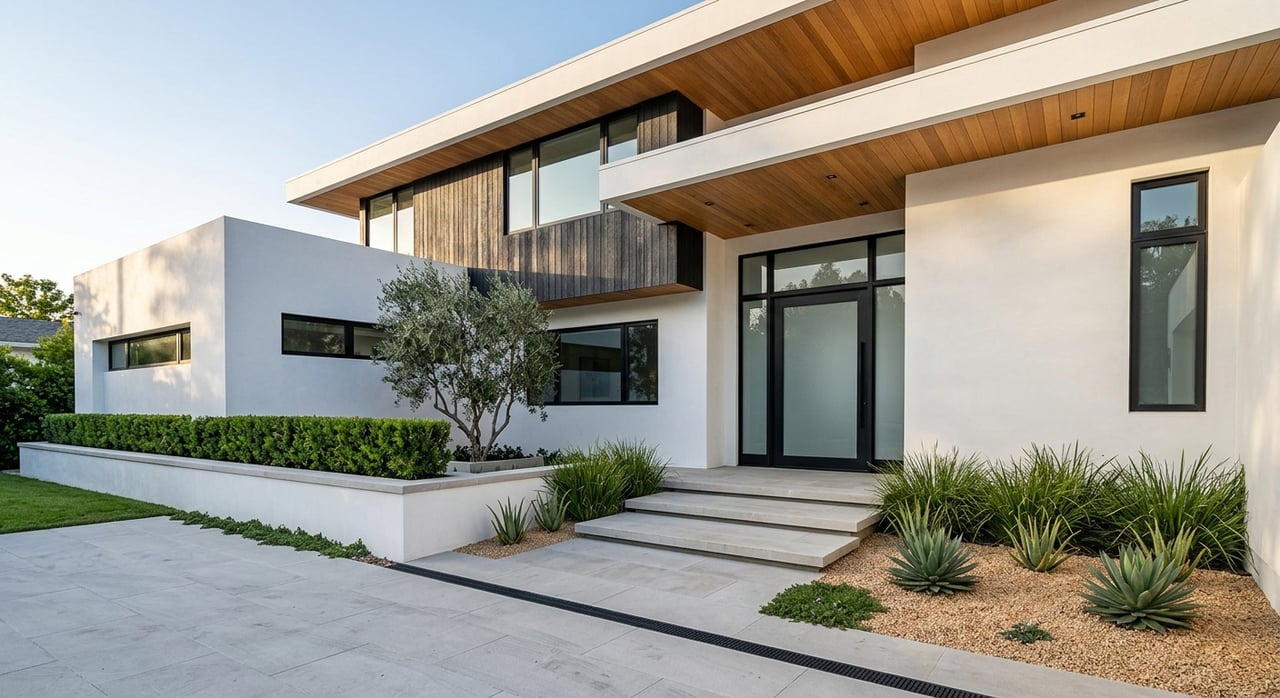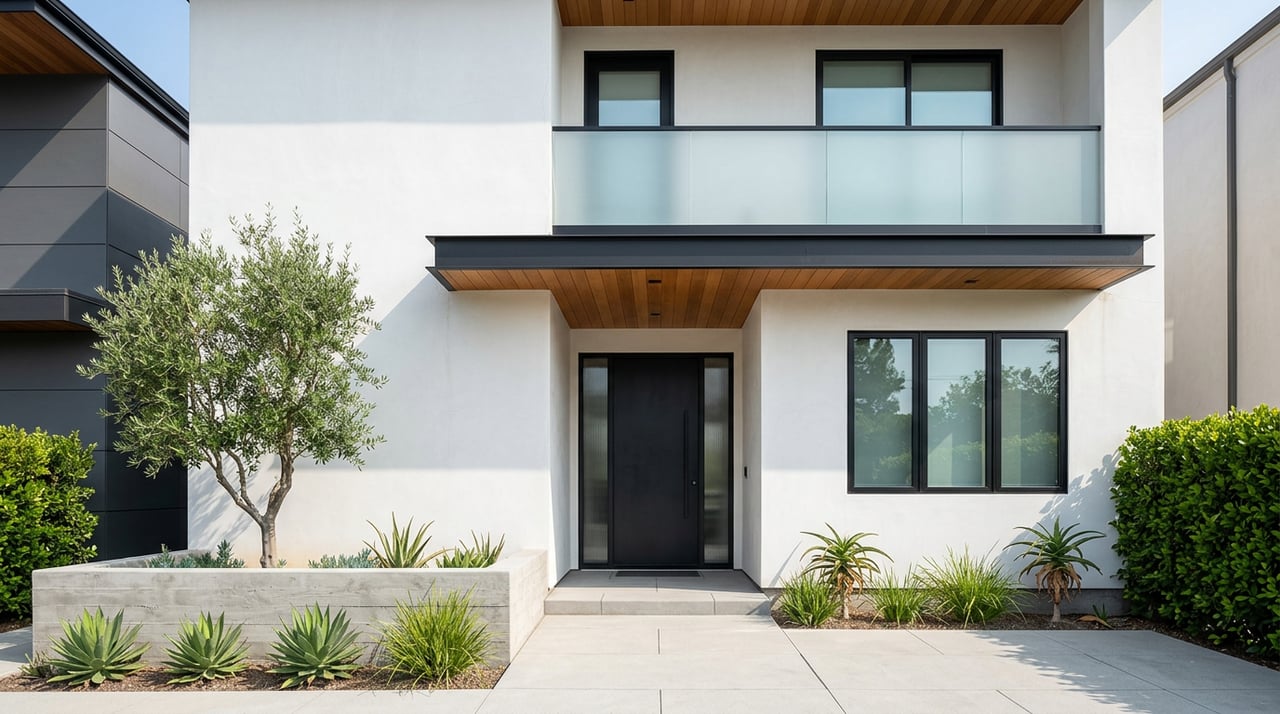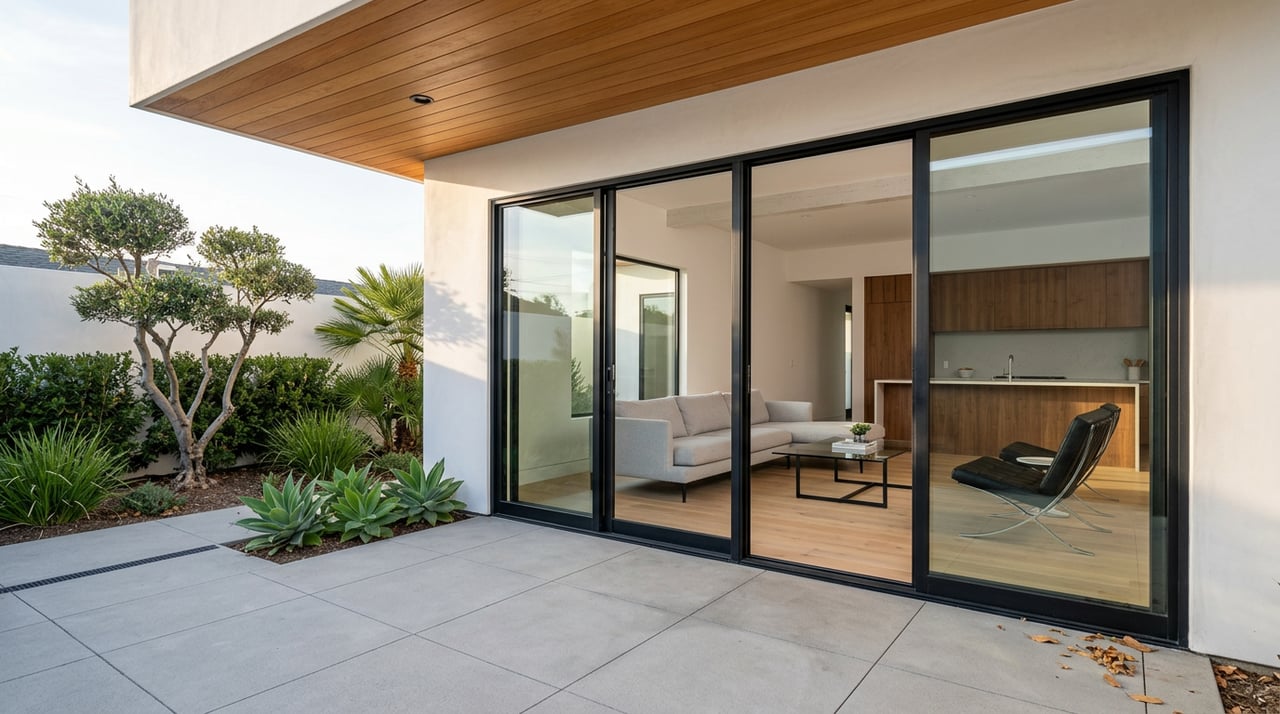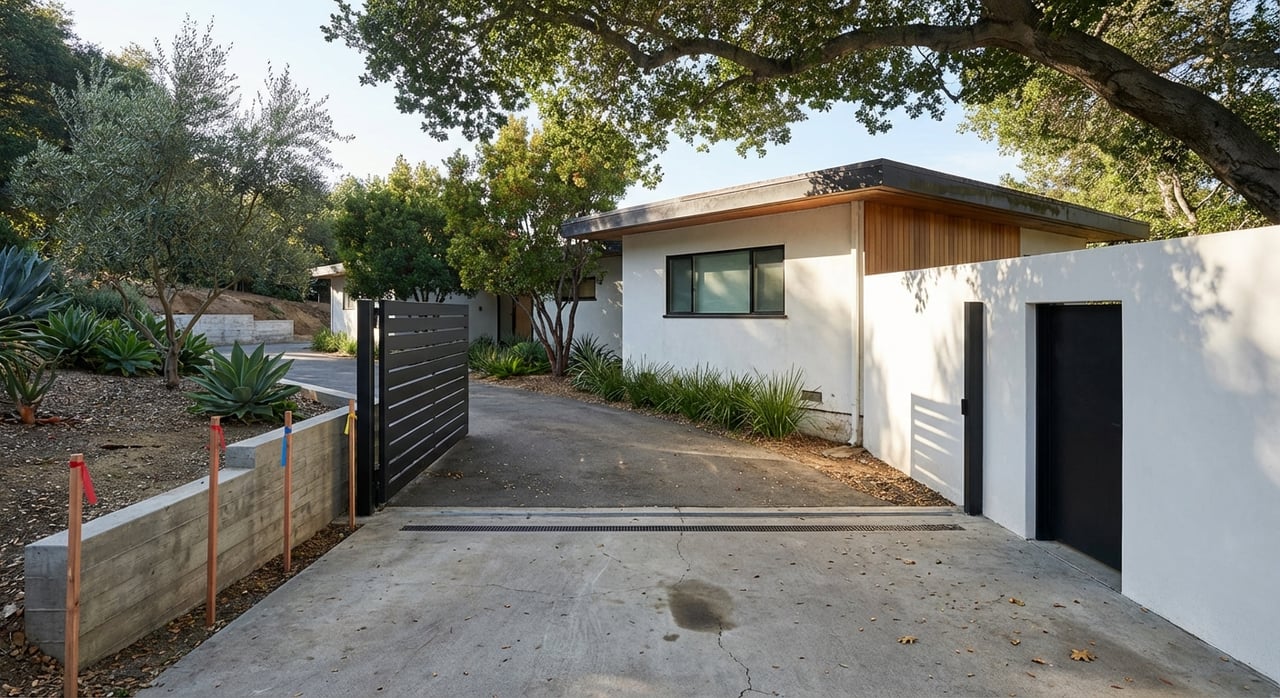
Dreaming of turning a tired Bel Air house into a modern estate with light, privacy, and view lines that feel cinematic? You are not alone. The right teardown can unlock a signature residence, but hillside rules, access, trees, and soils can make or break the plan. In this guide, you will learn how to read Bel Air lots, what the City will approve, and the steps to move from first tour to keys in hand. Let’s dive in.
Bel Air lot types and what they mean
Ridgeline and promontory sites
Ridgeline parcels often deliver panoramic views, sunset orientation, and strong privacy from below. They also face wind exposure, crane logistics, and deep foundation needs like caissons and grade beams. Local practitioners note that premium views can pencil if access and foundations are feasible, but expect higher structural and crane costs on these sites. For context, see real‑world notes on hillside construction in Los Angeles.
Canyon and pocket lots
Canyon settings are intimate and quiet with mature trees. The tradeoff is tighter buildable pads, complex drainage, and potential erosion or debris risks. City hillside rules prioritize slope stability and grading limits, which can compress your footprint and drive retaining wall design. The City’s Baseline Hillside Ordinance guide outlines how slope conditions limit floor area and grading.
Plateaus and pads
True pads are rare in Bel Air. They are simpler to build on, often with conventional sequencing and lighter grading. Because they reduce engineering risk, they tend to command a premium and appear less often as teardowns.
Flag lots and long private drives
Private approaches feel discreet and secure, but narrow frontages can trigger referrals and conditions for driveway width, off‑site improvements, and strict hauling controls. In Bel Air, haul‑route feasibility is a real schedule driver. Plan staging early and validate turning radii for pumps, cranes, and trucks before you commit.
The rules that shape your design
Baseline Hillside Ordinance essentials
The BHO uses slope bands to calculate the maximum Residential Floor Area, height, setbacks, and grading quantities. A stamped slope analysis map by a licensed surveyor or civil engineer is required and becomes the basis for what you can build. Steeper sites usually mean smaller allowable floor area and tighter grading caps, which influences decisions like garage placement, basement size, and whether a walk‑out level is even possible. Review the City’s Baseline Hillside Ordinance guide before you model any massing.
Hillside Construction Regulation district
Bel Air falls within an HCR overlay that tightens construction operations. The HCR sets hard caps on cumulative grading per lot in many cases and controls hauling hours, truck types, and staging. These rules often turn export volume into a scheduling constraint. If your concept needs more grading than the district allows, you may face discretionary steps and longer timelines. For specifics, see the City’s Hillside Construction Regulation district language.
Grading plan check and separate permits
Mass grading, basement excavations, and slope repairs trigger LADBS grading plan check and separate permits. You cannot pull the building permit until grading plan check clears. Expect coordination between grading reviewers and structural plan checkers. LADBS outlines submittal pathways for grading permits.
Protected trees and penalties
Los Angeles protects several native species, including oak, southern California black walnut, western sycamore, and California bay beyond certain trunk sizes. Removal or relocation requires approvals, replacement plantings, or in‑lieu fees. Unauthorized removal can lead to permit holds and penalties that stall a project. Review the Los Angeles Protected Tree Ordinance and budget for arborist reporting if your lot has mature natives.
Fire hazard mapping and defensible space
Much of Bel Air is mapped in a Very High Fire Hazard Severity Zone. That status triggers brush‑clearance obligations, fire‑hardening details in certain cases, and LAFD access and water‑supply checks. Confirm a parcel’s designation using CAL FIRE’s Fire Hazard Severity Zones viewer. Fire‑flow upgrades or on‑site storage can become gating items for permits.
Your pre‑offer feasibility checklist
Run these checks in order. They will surface deal killers early and strengthen your offer strategy.
- Regulatory footprint
- Confirm if the property is in the City’s Hillside Area, in the HCR overlay, and what zoning applies. The BHO guide points you to City ZIMAS for a first pass. Use this to sketch your allowable floor area and rough grading cap.
- Title and easements
- Review recorded easements and agreements. View, access, private road maintenance, or potential tieback easements can affect design, logistics, and neighbor coordination.
- Survey and slope analysis
- Order a boundary survey with a BHO‑compliant slope analysis map. This stamped map is required to verify buildable floor area and must be ready for plan check.
- Geotechnical reconnaissance
- Commission early borings and a soils and geology reconnaissance. Foundation systems, shoring strategy, and retaining walls will flow from this report. Learn what to expect from geotechnical reconnaissance and soils reporting.
- Tree inventory
- Have a certified arborist prepare a Protected Tree Report if mature natives are present. Confirm removal feasibility, mitigation counts, and potential in‑lieu fees under the City’s rules.
- Utilities, sewer, water, and fire‑flow
- Verify sewer or septic status and confirm water pressure and fire‑flow at the nearest hydrant. Inadequate flow can require on‑site tanks or upgrades, which affects budget and schedule. The City’s engineering manual outlines technical procedures for water and fire‑flow verification.
- Access, hauling, and staging
- Drive the likely haul route during active hours. Measure tight turns, overhead lines, and clearances for cranes and concrete pumps. The HCR’s hauling windows and caps can dominate the calendar, so design with export volumes and staging in mind.
- Neighbor coordination and tiebacks
- If you need anchored retaining walls that cross property lines, secure tieback easements early. A cooperative process here reduces redesign risk later.
Timeline and the team you will need
Typical path from purchase to move‑in
Timelines vary by site complexity, but local hillside practitioners offer credible ranges:
- Feasibility and pre‑offer checks: 2 to 6 weeks.
- Architecture and engineering through permit‑ready documents: 8 to 14 months.
- Permitting and plan check across LADBS, BOE, and LAFD: 4 to 18 months.
- Construction for a hillside estate: 14 to 28 months. Plan on roughly 2.5 to 4 or more years end to end for complex Bel Air estates. See practitioner notes on construction timeline expectations for LA hillsides.
Core professional team
- Architect with hillside expertise to guide massing, circulation, and indoor‑outdoor relationships.
- Civil engineer and licensed surveyor for slope analysis, grading, and site plans.
- Geotechnical engineer and engineering geologist for soils, foundation recommendations, and slope stability.
- Structural engineer for foundations, shoring, and retaining walls.
- Certified arborist for the Protected Tree Report and compliance.
- Landscape architect for defensible‑space planning and permit‑grade documents.
- MEP and Title 24 consultants for early systems planning and compliance.
- Permit expediter or land‑use attorney when discretionary reviews or haul‑route approvals are needed.
- General contractor or construction manager engaged early to validate means, staging, and long‑lead procurement.
Budget drivers to watch
- Foundations and shoring. Deep caissons, soldier piles, and tiebacks are often the largest variable on steep sites.
- Grading and export. Restricted hauling windows and truck caps can multiply calendar days and cost.
- Retaining walls and easements. Design, materials, and neighbor agreements add dollars and time.
- Protected trees. Mitigation plantings, in‑lieu fees, and tree protection can affect cost and sequencing.
- Fire‑flow and access upgrades. Water supply or driveway alignment changes may be required.
- Premium finishes and long‑lead items. Custom glazing and millwork require early procurement. Published guides place luxury custom home costs in Southern California in a wide range. Expect roughly 400 to 1,000 plus dollars per square foot depending on finish level and site complexity, with hillside sites trending high. Use this as planning context only, and carry a 10 to 20 percent contingency. For detail, review custom home cost ranges in Los Angeles.
A curated path to your next Bel Air estate
If you want a clean teardown and a refined end product, begin with clarity. Validate the regulatory footprint, confirm soils and trees, model your allowable area, and map a realistic haul strategy. Then design to the site, not against it. Our team’s role is to help you source the right lot, coordinate a discreet feasibility package, and assemble a best‑in‑class bench of architects, engineers, and builders aligned with your vision. When you are ready to sell or refinance, we bring editorial marketing, press amplification, and discretion so your new estate is positioned for maximum resonance.
If you would like a quiet conversation about your goals, connect with Tori Barnao for a confidential consultation.
FAQs
What is the Baseline Hillside Ordinance in Bel Air?
- The BHO sets floor area, height, setback, and grading limits based on slope bands and requires a stamped slope analysis map to verify what you can build on a hillside lot.
How long does a Bel Air teardown to move‑in usually take?
- Plan for 2.5 to 4 or more years, including feasibility, design, permitting, and construction, with hillside complexity and discretionary reviews pushing timelines longer.
What is the 6,000 cubic yard limit I keep hearing about?
- In the HCR overlay that covers Bel Air, cumulative grading is capped in many cases around 6,000 cubic yards, with strict hauling windows and conditions that can extend schedules.
Do protected trees stop my project in Bel Air?
- Not necessarily, but protected species trigger permits, mitigation, and replacement that can reshape site plans and add time and cost if not addressed early with an arborist.
How can I confirm if a lot is in a Very High Fire Hazard Severity Zone?
- Check the parcel in the State’s Fire Hazard Severity Zone viewer and plan for brush clearance, WUI details in certain cases, and LAFD access and water‑supply coordination.
What reports should I order before I make an offer on a teardown?
- Start with a boundary survey, BHO slope analysis map, soils and geology reconnaissance, a Protected Tree Report, and desktop checks for zoning, HCR status, and fire hazard mapping.